Are you planning to build your own home? Thinking about a small development? Wondering what new planning rules could mean for your project?
One change you need to know about is Biodiversity Net Gain (BNG), a planning requirement introduced in 2024.
BNG is designed to make sure new developments leave the natural environment in a better state than before. That’s great news for wildlife, but it does mean some extra steps and potentially extra costs for anyone applying for planning permission.
In this blog, Ruth Testa, Director at Lakeway Ecological Consultancy, explains what BNG is, who it applies to, and what you’ll need to do if you’re building a home or a small development.

What is Biodiversity Net Gain?
Biodiversity Net Gain is now a legal requirement for almost all new developments that need planning permission. It means your site must deliver at least a 10% improvement in biodiversity value compared with what was there before you started building.
To do this, a suitably qualified person, usually an ecologist, will first survey your site to record what habitats exist. For example woodland, grassland, hedgerows or watercourses. The type, size and condition of each habitat are then scored using a government-approved spreadsheet known as the BNG metric.
Your development must be designed so that, once complete, the total habitat value is scored at least 10% higher than the starting point. These new or improved habitats must also be managed and maintained for 30 years after the build is finished.
Does BNG apply to self-builders and small developers?
In most cases, self builders are exempt. But it does depend on your local authority and the type of project you’re doing.
Some local authorities might require you to show how you’ll limit the impact of your development (known as an S106 agreement). Others may not require this, assuming you can show you’re doing a self build and therefore exempt.
Small sites can sometimes use a simplified ‘small sites metric’, which may not need ecologist input, but this comes with limits.
It only applies if there are no protected species, no watercourses nearby and only a narrow range of habitats present.
For most projects, you should expect to involve an ecologist at an early stage to carry out a baseline survey and complete the metric.
How can you achieve BNG on a small site?
BNG can be more challenging on small plots, because gardens are classed as low-value habitats and new garden trees don’t count towards your uplift.
If you have additional land available, either on your site or close by, you may be able to enhance existing habitats or create new ones such as wildflower meadows, hedgerows or ponds to reach the required gain.
If you don’t have any extra land to work with, the alternative is to buy ‘units’ from a habitat bank. These are areas of land set aside and managed for biodiversity improvements, and by purchasing units you are effectively funding the uplift they provide.
The price varies depending on the type of habitat and local availability, but the good news is that more units are now coming onto the market as the system beds in.
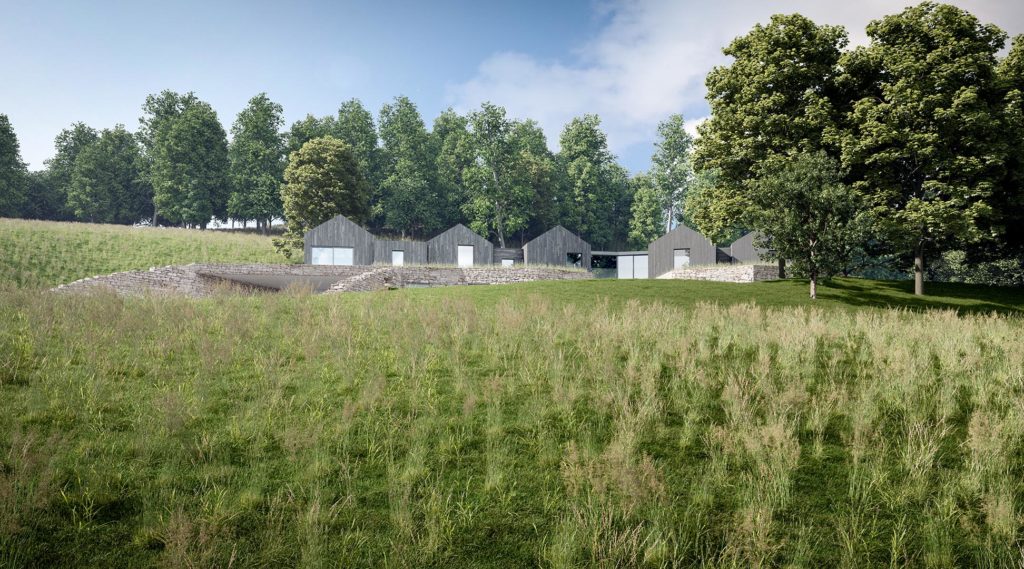
CASE STUDY: heatherside
For this forever home in Ramsbottom, Lancashire an ecology report in 2020 concluded that the proposals for the site would “deliver significant benefits for local biodiversity and complement the habitats in the local area.”
- Removing invasive plants, sowing wildflowers, and creating a wildlife pond to encourage a wider variety of species.
- Planting over 100m of new native hedgerow and adding bird and bat boxes around the site.
- Incorporating a green roof with wildflowers and planting fruit trees and other wildlife-friendly species.
- Carrying out checks for bats, badgers, and nesting birds before and during the build.
- Putting a management plan in place to maintain habitats and allow some areas to re-wild naturally.
What do I need to submit with my planning application?
If you need to comply with BNG and not exempt, you or your ecologist will need to provide:
- A completed statutory metric and habitat condition assessment
- Mapping to show existing and proposed habitats
- A Biodiversity Gain Plan explaining how you will meet the requirements
- Any extra documents required by your Local Planning Authority (these can vary)
If you’re using the small sites metric, you may be able to complete it yourself, but this approach is limited. It can overestimate habitat condition, which increases the amount of uplift you need to provide, and it does not allow you to purchase off-site units.
How much does it cost?
The costs depend on your project size and whether you can meet the requirements on your own land. As a rough guide:
Pre-planning surveys: Budget up to £1,000 for a simple site survey and report.
Post-planning, on-site: You’ll usually need a Habitat Management and Maintenance Plan and a Biodiversity Gain Plan. These can cost £250–£1,000, and you may also need periodic monitoring by the Local Planning Authority with input from an ecologist.
Post-planning, off-site: If you can’t deliver gains on your site, you will need to buy units from a habitat bank. For example, neutral grassland units currently cost around £25,000–£30,000 each, although most small developments will only need to buy a fraction of a unit. Once purchased, the habitat bank takes responsibility for maintaining them.
If your site includes or is close to a watercourse, achieving gains can be trickier. Off-site watercourse units are further limited and more expensive, which can drive up the cost.
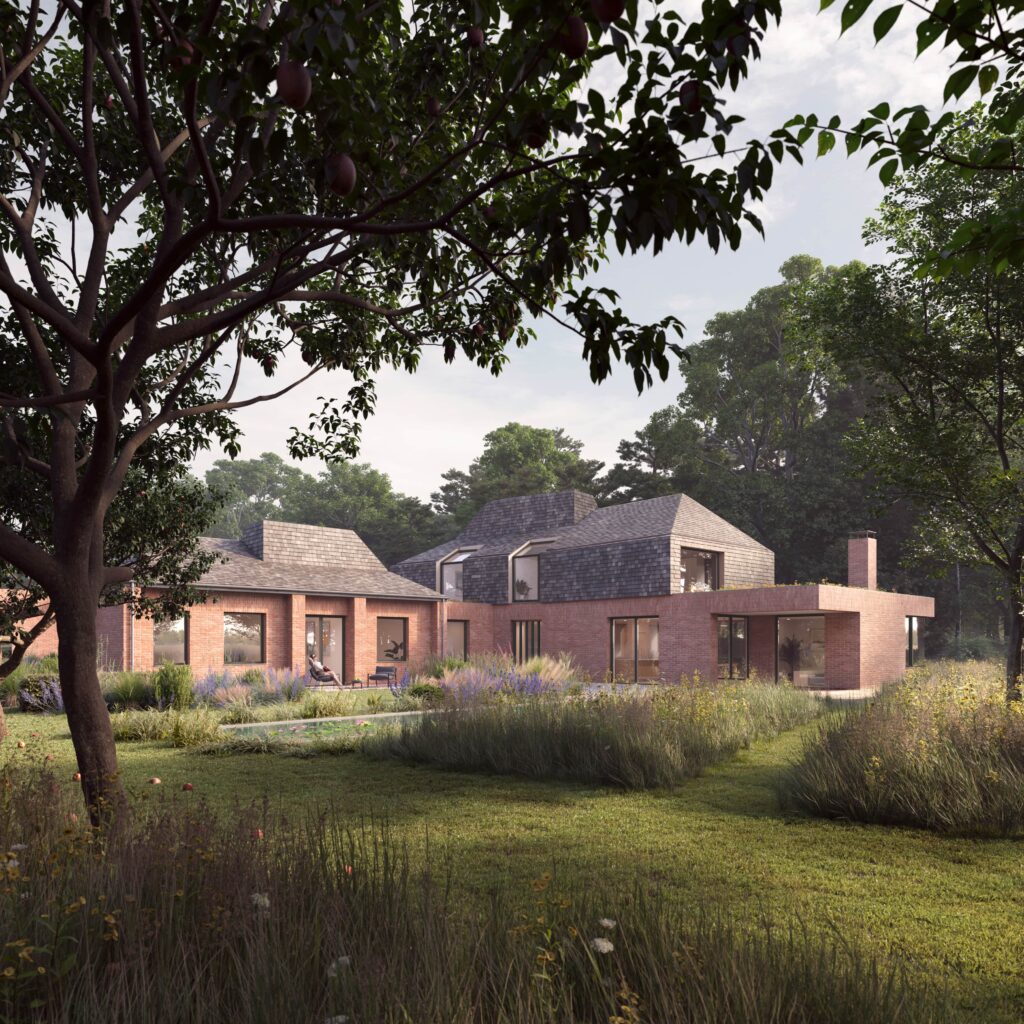
CASE STUDY: FIZMER
For this unique home and studio in the Nottinghamshire countryside, a Biodiversity Net Gain report was completed by Weddles.
The summary show that based on the Defra Biodiversity Metric calculations, the proposed development would overall increase the biodiversity of the site.
- An overall change in Habitat Units to +35%
- A change in Hedgerow units to +25%

BNG is now an important part of the planning system and applies to almost every new project. The key to managing it smoothly is to plan early, budget for the costs, and speak to an ecologist at the start of your project.
While it may feel like another layer of regulation, it doesn’t have to be a barrier. With the right advice, you can meet the requirements and still deliver your dream home or development.
links
Need to assemble the right team?
We’re experts at creating a strong team that will meet your project goals, your timescales and your budget.