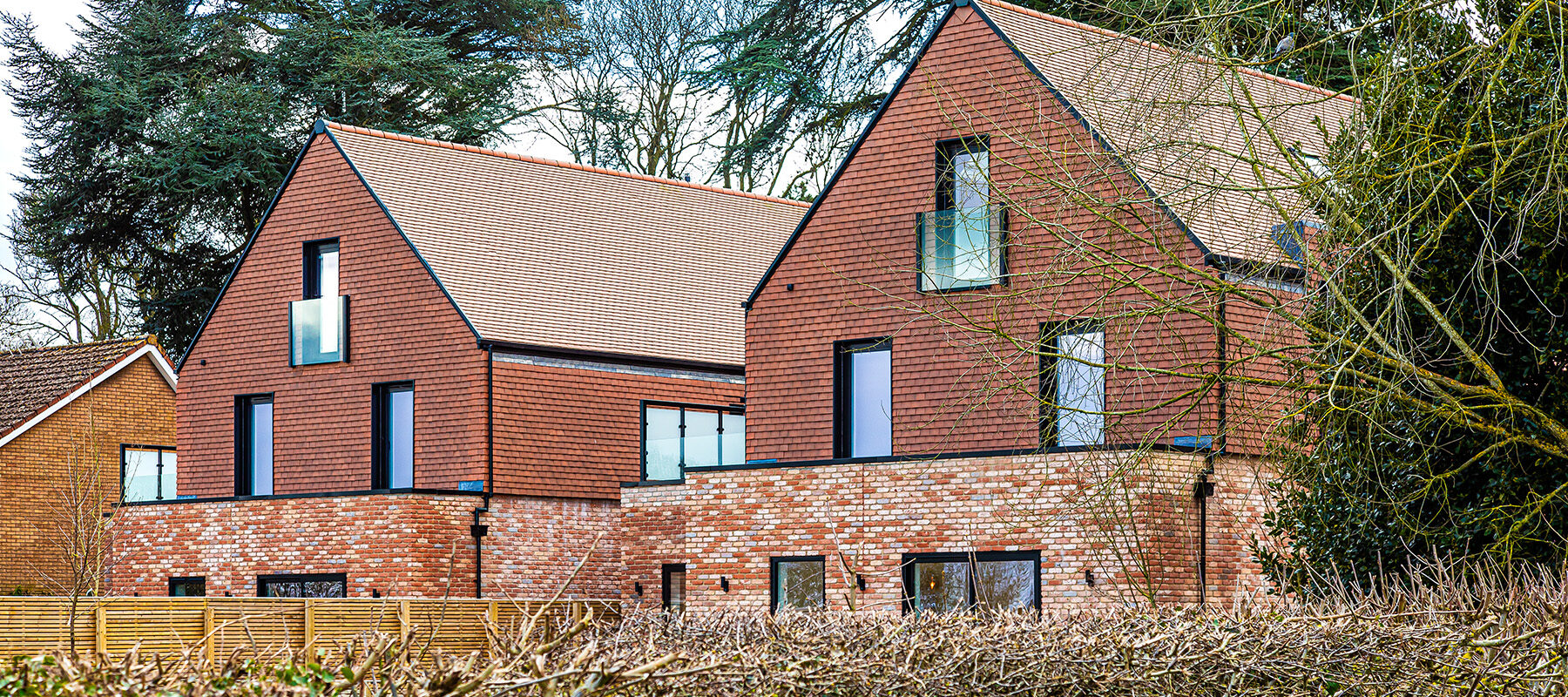
Are you researching planning permission for your project? Are you trying to build a new home or a development and want to make sense of the different types of planning permission and what benefits and limits each of them offers?
Understanding the different routes to gaining planning consent can be complex, especially if you’re building a home for the first time.
Each type of planning permission offers a different level of detail, cost and certainty, and the right choice depends on a few different factors. Choosing the right route early on can help you save time, manage your budget and reduce the risk of delays later down the line.
In this guide, we’ll explain the main types of planning permission, when you might use each one, and what their key benefits and drawbacks are.
What is Permission in Principle?
Permission in Principle (PiP) is the simplest way to test whether a site is suitable for development before investing in design work or surveys. It focuses on the principle of whether a site can be developed, rather than the detailed design of what will be built.
At this stage, you only need to provide basic information, such as the type of development you’re proposing and the number of homes or size of buildings you have in mind.
PiP must include housing as part of the proposal, and it’s limited to small-scale developments of up to nine dwellings. It’s most effective when your site is already identified for the proposed use in the local plan, as this increases the likelihood of approval. The local authority will then assess whether the idea is acceptable in principle.
If PiP is granted, you’ll still need to apply for Technical Details Consent before any work can begin. This second stage is where you submit all the detailed design information for approval.
PiP can be a useful route at the early stages of a project. For example, if you’ve found a potential plot and want to confirm its viability before committing to a purchase. However, it’s not suitable for every project, and some councils are cautious about using it for more complex or sensitive sites.
A decision on PiP is usually made within five weeks, provided there are no delays with the local authority.
What is Outline Planning Permission?
Outline planning permission offers a halfway point between Permission in Principle and a full planning application. It’s often used for larger projects or phased developments, where you want to establish whether your proposal is acceptable before working up the full design.
When you apply for outline permission, you’ll need to provide enough information for the local authority to understand the the main principles of the development. This could include the scale, height, and location of buildings, access points and how the site will relate to its surroundings. You don’t need to finalise every detail, which can help save costs at an early stage.
Once the local authority grants outline approval, you submit a Reserved Matters application. This is where you provide the finer details, such as materials, landscaping, appearance, and layout. After approval, you gain full planning consent and can start work on site.
Outline planning can be a smart way to de-risk a project before bringing in a more detailed design or more technical consultants.
The result of a positive outline planning application is that you have approval for the scale of the development and for any other elements you want to tie down at the early stage. For example; highways access.
However, you will still need to provide further details not covered in outlining planning permission such as; appearance, layout and scale in a ‘reserved matters’ application.
A decision on Outline Planning Permission is similar to a full planning application and takes around 8 – 13 weeks, quite a bit longer than PiP.
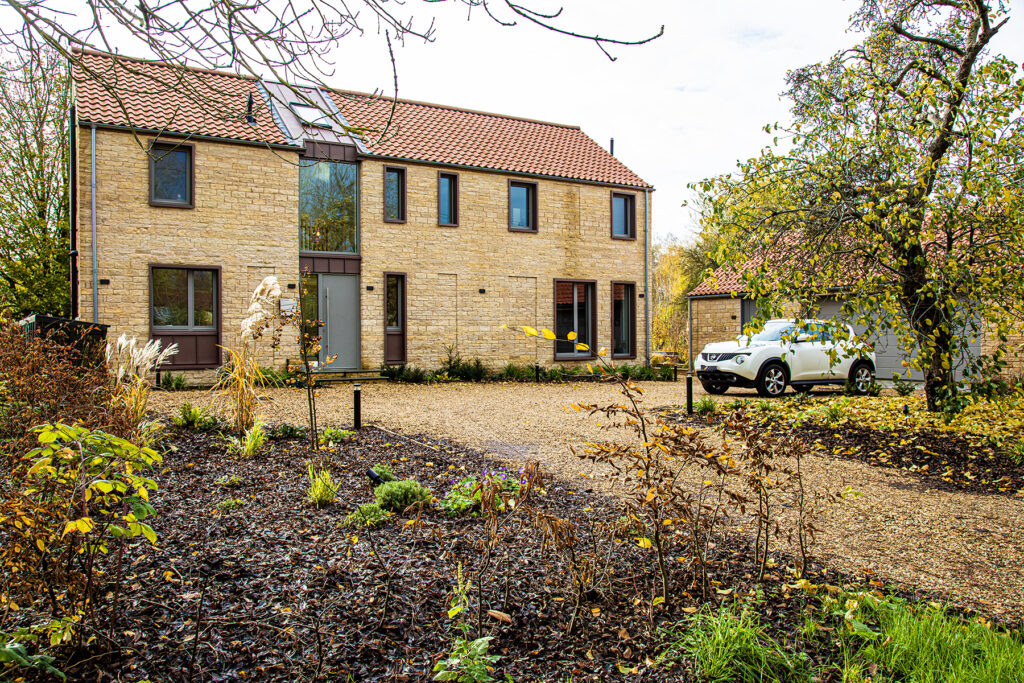
What is Full Planning Permission?
For sites where the proposal conflicts with local planning policy or for particularly sensitive sites, a full planning application is often the only suitable route.
In these situations, testing the proposals before the completion of design through a pre-application submission with the local authority can help you de-risk the planning process.
Full planning permission lets you build exactly what the council has approved, as long as you start construction within the time limit, usually three years.
For most self-build homes, extensions and smaller developments, this is the route you’ll take, as it gives you the certainty you need to move forward into the technical design and construction stages.
A well-prepared full planning application, supported by clear design information and a strong understanding of local planning policy, gives you the best chance of approval. As mentioned, especially if your site is in a conservation area or has other sensitivities.
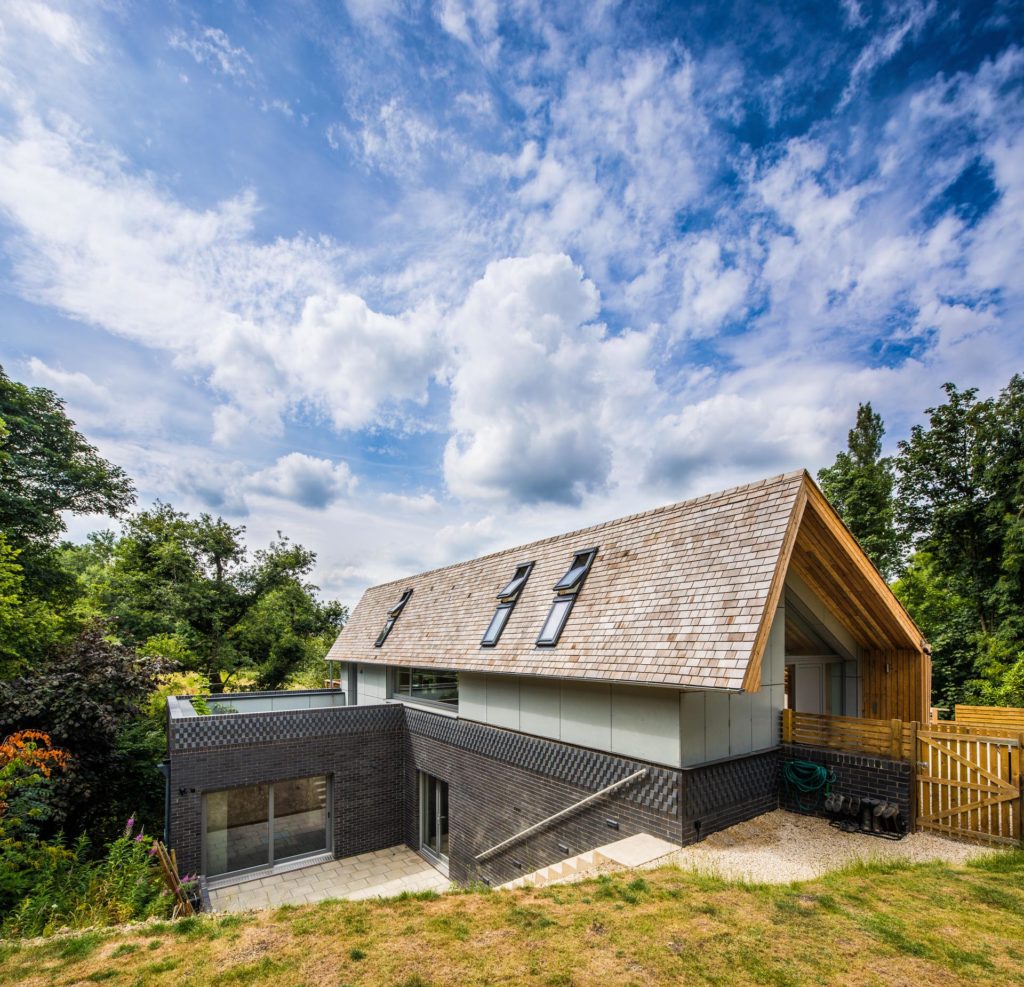
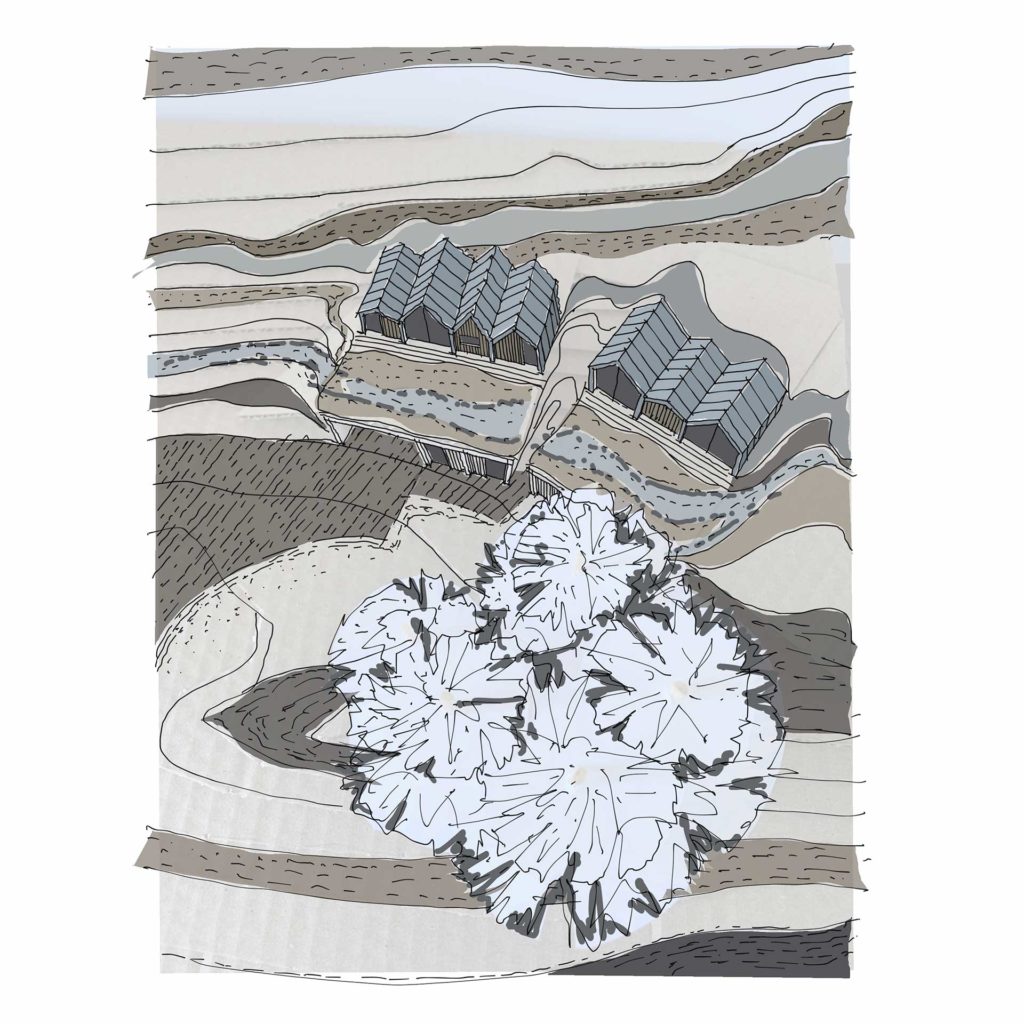
Which type of planning permission do you need?
The right type of planning permission depends on your project goals, confidence in the site and how far along you are in the design process.
- Use Permission in Principle to test a site’s potential when it’s already in an area identified for housing.
- Use Outline Permission to confirm whether the proposed uses and scale of development are likely to be accepted before committing to detailed design.
- Apply for Full Planning Permission to begin building your project, or when your proposal conflicts with policy or is on a particularly sensitive site.
Need to know how to get plannng permission?
We’re experts at gaining planning for difficult sites including in the green belt and tricky backland plots .