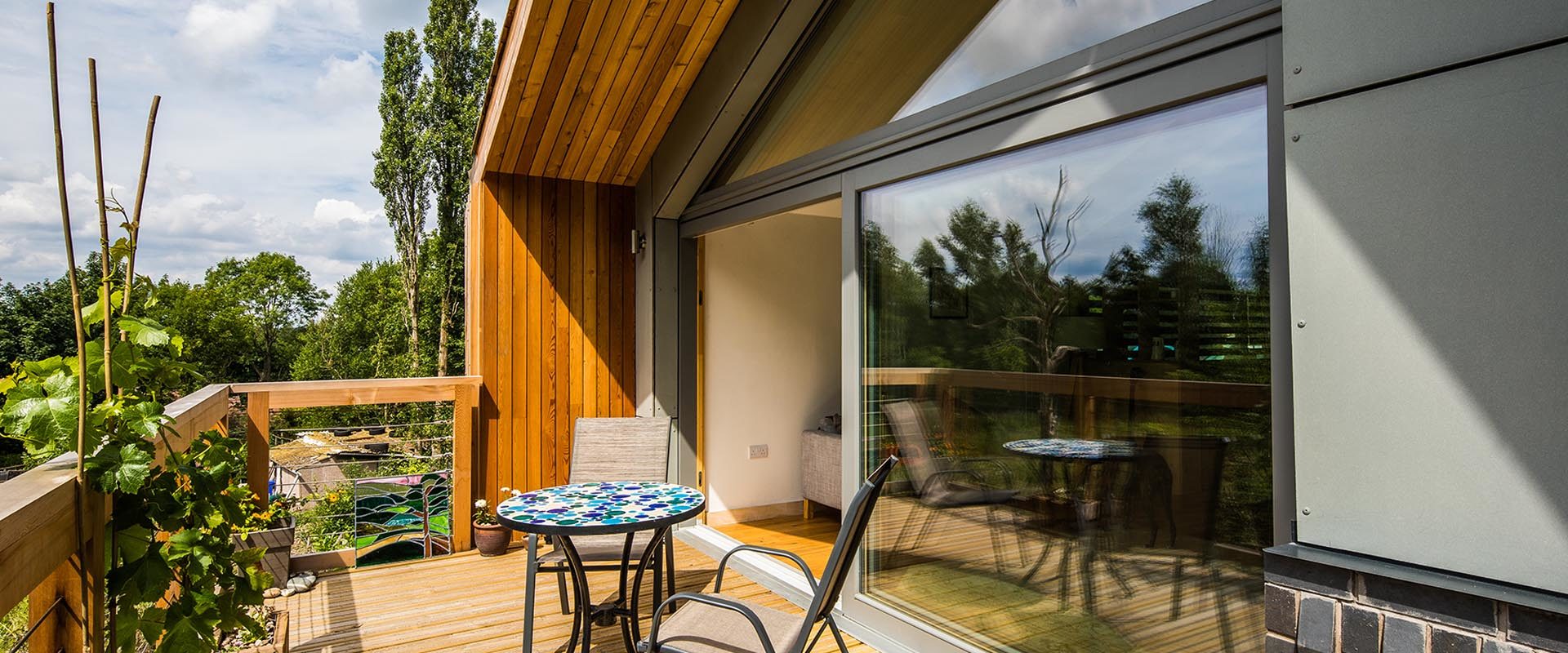
Are you dreading the next summer heatwave? Does your home feel like an unbearable greenhouse during the summer months?
Maybe you have specific spaces, like a conservatory or a sunroom extension that becomes unusable during the summer because it becomes too hot and the glare make it impossible to relax?
When the temperature spikes, our natural instinct is usually to throw open every window and door to catch a breeze. While it feels like the right thing to do, building science tells us a completely different story.
You can lower your indoor temperature by understanding how heat transfers through a building, and you can keep your living spaces cooler without relying on energy-intensive, noisy air conditioning.
Here is how to tackle the problem naturally.
Stop the Solar Gain (Before it Gets Inside)
Summer overheating is primarily driven by solar heat gain, entering the building either via windows or through poorly insulated structural elements.
Once solar radiation passes through your glazing, it strikes internal surfaces (like floors and furniture), absorbs into the building mass, and re-radiates as heat, which gets trapped inside.
- Permanent Shading: Well designed homes can have permanent shading solutions like brise-soleil, deep roof overhangs, or recessed windows. These are designed to block high-angle summer sun while allowing low-angle winter sun to enter and warm the home naturally.
- Active External Shades: If your building doesn’t have permanent structural shading, other options include external blinds, shutters, or seasonal canvas sails. These are highly effective at stopping the sun from hitting your windows or doors. This is often the only viable way to block the intense, low-angle sun on east and west-facing glazing. Even a temporary, DIY external cover on accessible windows or roof lights will make a huge difference.
- Temporary Shading: If modifying the exterior isn’t an option, as is often the case if you’re renting or living in an apartment, internal blinds or curtains are your next best line of defence. While internal shading is less effective than external options (since the heat has already entered the glass), it is still very worthwhile. Keep them completely closed on any part of your home that gets direct sunlight. Once the sun moves to a different side of the building, you can open them back up to let daylight in.
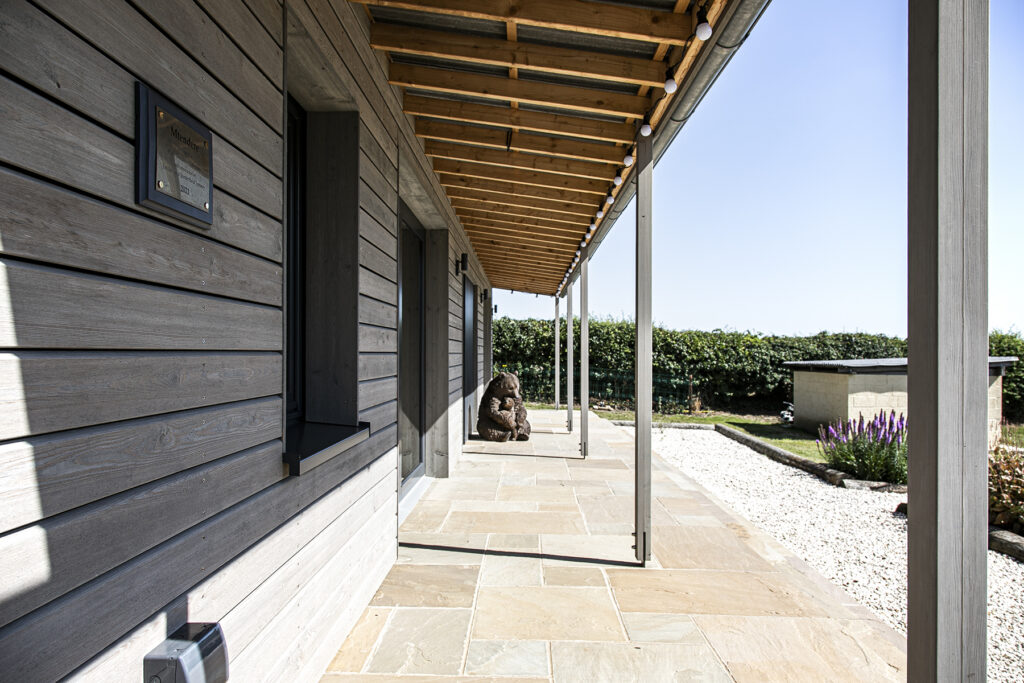
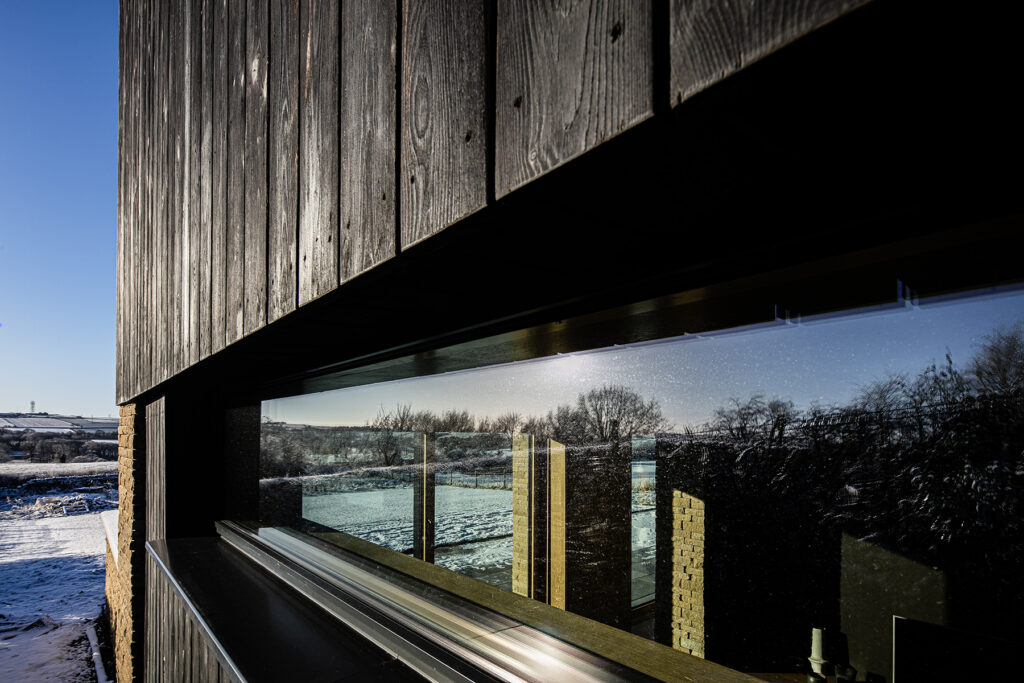
Manage Air Exchange and Thermal Mass
A common mistake is keeping windows open during the peak heat of the day. If the outdoor air temperature is 30°C and your indoor air is 22°C, opening a window will simply transfer that heat directly into your living spaces via convection.
- Lock the Heat Out: Keep windows, doors, and trickle vents closed during the hottest parts of the day. Think of your home as an insulated thermal envelope. You want to seal the cooler air inside and keep the high ambient heat outside.
- The Purge Ventilation Window: In a sustained period of hot weather, try “purge ventilation” using cooler night air to flush out the heat accumulated during the day. The ideal window for this is generally between 8pm and 8am, when the ambient outdoor temperature drops below your indoor temperature.
Tips for Apartments and Multi-Occupancy Buildings
Apartments and flats face unique overheating risks. They are often surrounded by other heated units, have limited external surface areas to release heat, and can accumulate rising warmth from lower floors.
- Utilise Stack Ventilation (The Chimney Effect): Warm air naturally rises because it is less dense. If you live in a duplex or an apartment with multi-level openings (like a secure balcony door and a high roof light or window), open both at night. The cool air enters at the lower level, forces the trapped warm air upward, and flushes it out of the top.
- Cross-Ventilation Dynamics: If your apartment has windows on opposite sides of the building, opening them simultaneously at night creates a natural pressure drop. This physically pulls a continuous stream of cool air straight through your living space.
Thoughtful Design for Better Living
By adopting these simple habits, you can reduce the temperature by up to 10°C compared to the outdoor temperature of 30°C, creating a home that is more bearable to work in during the day and comfortable to sleep at night.
While these day-to-day strategies can be effective, true comfort needs to be built into the fabric of a property.
Are you living in a greenhouse?
If your current home feels like a sauna, let’s design a home that actually can stay cool during the summer months.