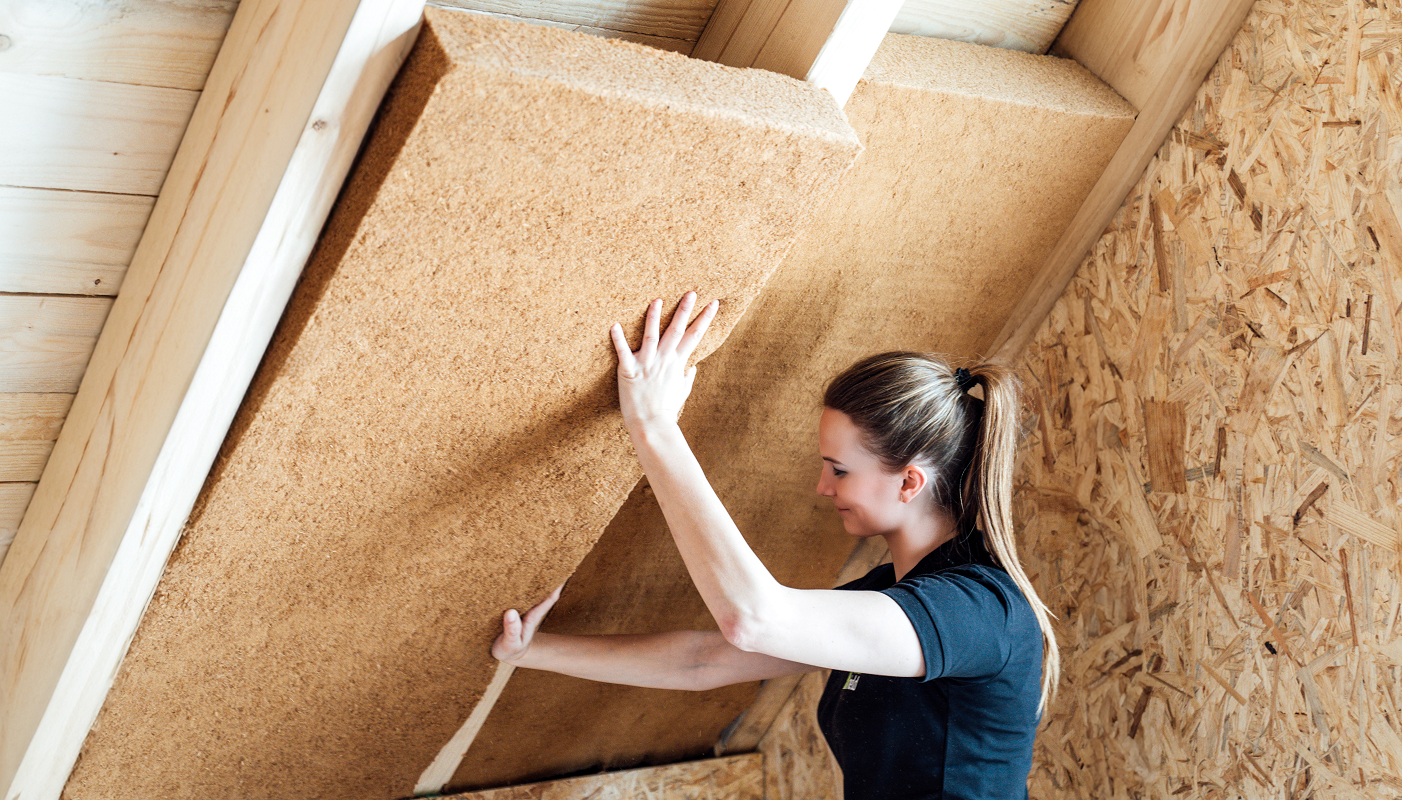
Are you renovating an older home or building a new-build and wondering which insulation is right for your project? Would you like a home that is warmer in winter, cooler in summer, healthier to live in and better for the environment? Have you been researching breathable insulation, solid-wall or wood fibre insulation but are unsure how it compares to synthetic products?
Insulation is one of the most important decisions you will make during a renovation or new build because it affects your home’s comfort, energy efficiency and long-term durability.
While many still default to synthetic insulation, building professionals and homeowners are increasingly choosing natural, non-carbon-based alternatives that work in harmony with their homes.
In this guest blog, Paul Ibbotson, Managing Director at Acara Concepts explains the benefits of using wood fibre insulation for a sustainable renovation or new build home.

What’s the difference between wood fibre insulation and petrochemical insulation?
Many of the insulation products used today are manufactured from petrochemical based materials such as PIR, PUR, EPS, XPS and phenolic foam. Some of these products have very low thermal conductivity figures, but others offer very similar properties to wood fibre insulation (0.036 to 0.047 W/mK).
Petrochemical insulation materials have a high carbon footprint and are made from non-renewable raw materials. They can release toxic gases when burned and are difficult to recycle.
Wood fibre insulation such as those from Naturheld offers more than just thermal protection. Manufactured from sustainably sourced wood fibres, they provides excellent thermal insulation while also allowing the building to breathe.
Wood fibre insulation supports moisture management, indoor comfort, acoustic insulation and environmental sustainability.
This makes it an increasingly popular choice for homeowners undertaking home renovation projects, traditional building upgrades or energy efficient retrofits.
There are wood fibre insulation boards suitable for insulating roofs, walls – both internally and externally, loft floors and suspended and ventilated timber floors. Also flexible wood fibre insulation is ideal for insulating between studs, joists and rafters.
Wood fibre insulation is more breathable
One of the biggest advantages of wood fibre insulation is its breathability. This is not to say that it is more draughty. Unlike many rigid foam insulation products, wood fibre is vapour permeable, hygroscopic and capillary-active.
This means it can safely absorb, store and release water vapour, and even water droplets, as relative humidity levels change.
Usually there is more moisture internally from cooking, showering, breathing etc so the moisture tends to move from inside to outside, but not always. In addition, warmer air holds more water vapour than colder air.
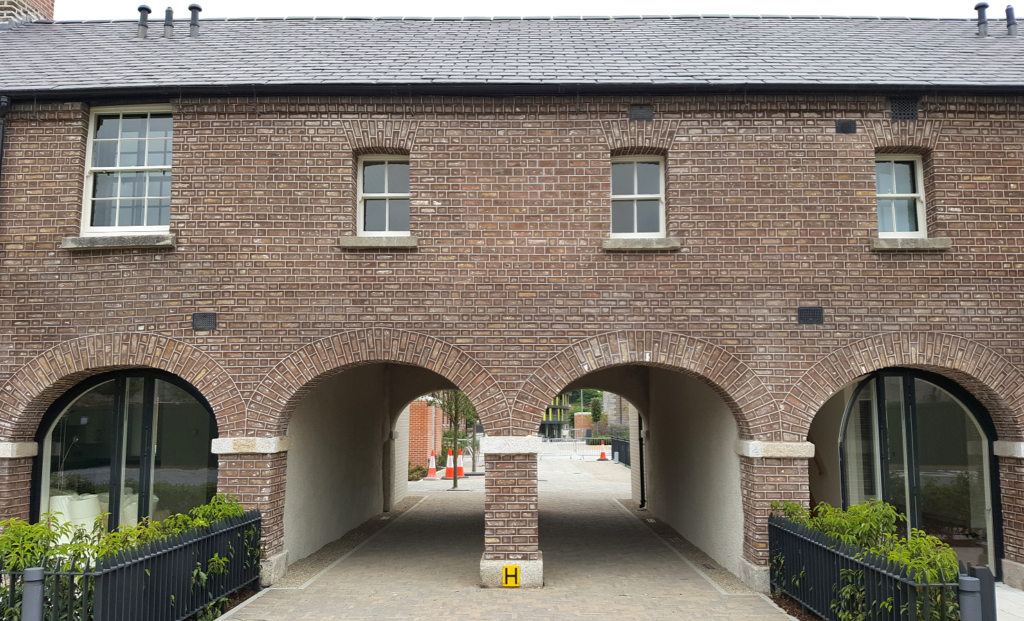
Insulation for older homes with solid walls
For older, solid-wall properties, this is particularly important. Breathable insulation helps reduce the risk of moisture becoming trapped within the wall construction which could cause interstitial condensation, mould growth or timber decay.
When combined with breathable lime plasters and vapour-open finishes, wood fibre insulation creates a healthier building fabric that is designed to perform in harmony with the building for many decades.
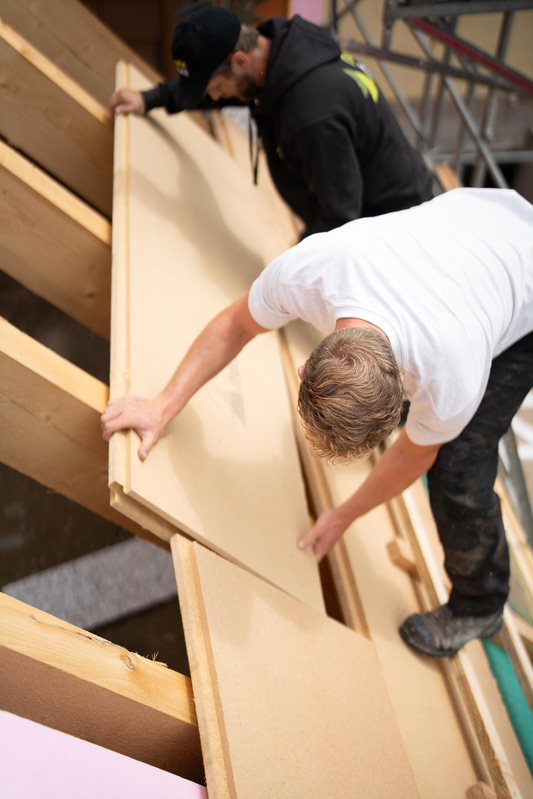
Wood fibre insulation can prevent overheating
As our climate gets hotter, preventing overheating in summer is becoming just as important as reducing winter heat loss. Buildings are becoming more airtight and highly insulated, so overheating risk is becoming a greater consideration.
Wood fibre insulation has a high density and high specific heat capacity which means it has an excellent thermal storage capacity.
Buildings can warm quickly from solar gain, so the wood fibre insulation layer acts as a thermal buffer by absorbing some of this heat energy, preventing rapid temperature increases inside the building.
This keeps indoor spaces cooler during hot weather, which improves comfort throughout the day and reduces temperature swings inside the home.
Many lightweight petrochemical insulation products provide excellent resistance to heat loss but cannot store excess solar-gain heat effectively due to their lightweight structure.
This is particularly noticeable in lightweight timber frame structures, converted loft areas or buildings with large areas of glazing. There is also a risk of off-gassing from petrochemical insulation materials as they heat up.
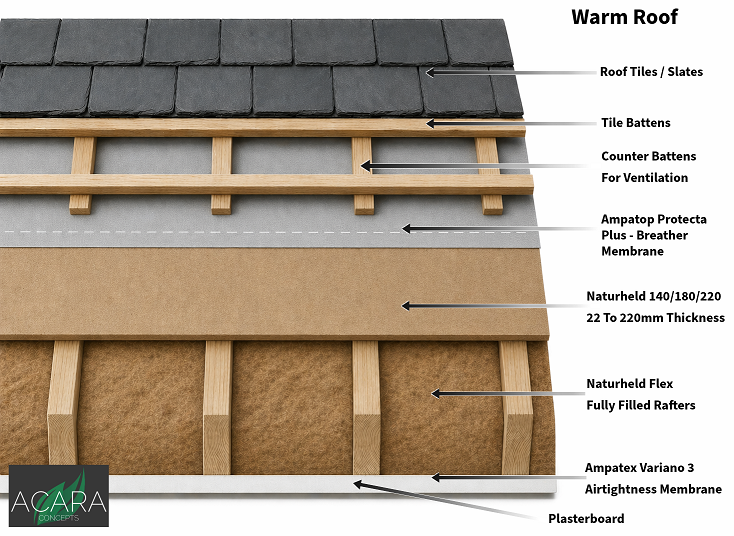
Wood fibre insulation is more sustainable
Sustainability is becoming more important for many homeowners planning a renovation or new build.
Wood fibre insulation is manufactured from renewable timber sourced from responsibly managed forests.
As trees grow, they absorb carbon dioxide from the atmosphere and store it within their fibres. That stored carbon remains locked inside the insulation throughout its service life, helping reduce the embodied carbon of the building.
Petrochemical insulation materials rely on fossil fuel based raw materials and generally require more energy to manufacture.
Choosing natural insulation can therefore contribute towards creating buildings with a lower environmental impact.
Would you like better comfort and healthier living?
Effective insulation should do more than simply reduce heating bills. Wood fibre insulation helps create a more comfortable indoor living environment by regulating both temperature and humidity.
This contributes to a healthier home with fewer extremes of heat, cold and moisture.
Its dense fibre structure also provides excellent acoustic performance, helping reduce airborne sound between rooms and from outside.
The result is a quieter, more comfortable living space that feels pleasant throughout the year.
Quick comparison
| Petrochemical (PIR, PUR, EPS, XPS) | Wood fibre | |
|---|---|---|
| Source materials | Fossil fuels | Renewable timber |
| Vapour movement | Traps moisture | Vapour permeable |
| Summer overheating | Low thermal mass | High thermal storage |
| Acoustics | Poor sound absorption | Excellent sound absorption |
| Carbon footprint | High embodied carbon | Carbon negative |
Is wood fibre insulation right for your home?
Every renovation project is unique, and selecting the right insulation depends on the type of building, its construction and your long-term goals.
However, for many homeowners looking for breathable insulation, solid-wall insulation or sustainable retrofit solutions, wood fibre insulation offers significant advantages.
Whether you are renovating a traditional solid walled property or designing a modern low-energy home, choosing natural insulation can improve comfort, protect the building fabric and reduce environmental impact.
Understanding the differences between insulation materials allows you to make an informed decision that will benefit both your home and the people living in it for many years to come.
links
Want an architect that can create a sustainable home?
We’re experts in creating sustainable homes and love working with people that are looking for low carbon and healthy spaces.